

Difference between Pilates and Yoga? For Flexibility or Core Strength
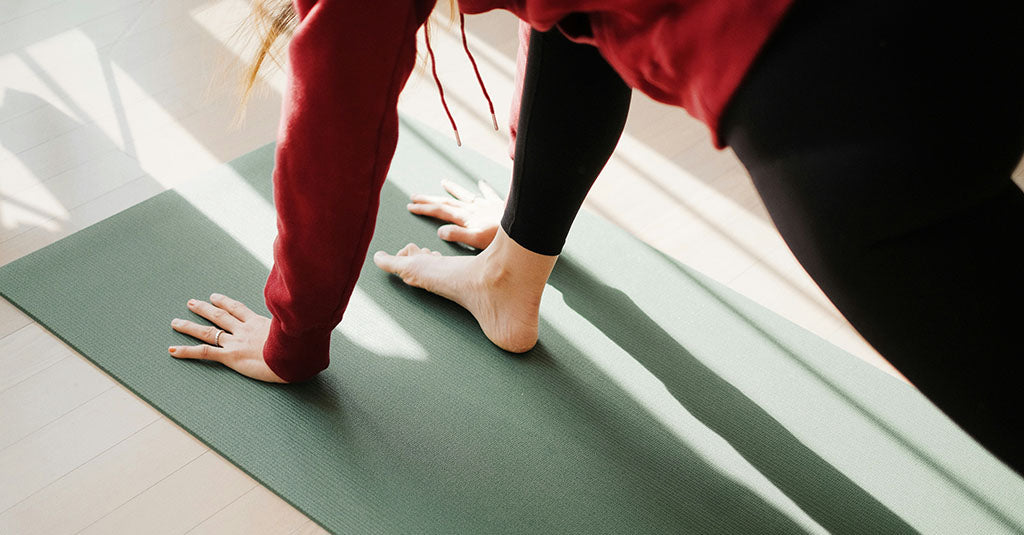
When it comes to building a low-impact fitness routine, Pilates and Yoga often top the list. Both practices focus on controlled movement, breath awareness, and mind-body connection — yet they differ significantly in purpose, technique, and benefits.
What is Pilates?
Developed by Joseph Pilates in the early 20th century, Pilates is a form of exercise that emphasizes core strength, stability, and alignment. It often involves a series of precise, low-impact movements that challenge your muscles, especially your deep abdominal muscles, glutes, and lower back.
There are two main types of Pilates:
-
Mat Pilates (uses just a mat)
-
Reformer Pilates (uses special equipment with springs and resistance)
People turn to Pilates for posture correction, injury recovery, and building strength without bulk. It’s also widely used by athletes, dancers, and physical therapists.

What is Yoga?
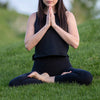
Yoga, with its roots in ancient India, is more than just physical movement — it’s a holistic practice that includes asana (poses), pranayama (breathwork), and meditation. While there are many different styles of yoga (such as Hatha, Vinyasa, and Yin), most classes focus on increasing flexibility, balance, and inner peace.
Yoga is especially beneficial for reducing stress, improving sleep, and enhancing mental clarity. Over time, it helps develop both physical resilience and emotional well-being.
Key Differences
| Aspect | Pilates | Yoga |
|---|---|---|
| Origin | Early 20th-century Germany | Ancient India |
| Focus | Core strength and stability | Flexibility and mindfulness |
| Equipment | Often uses reformer machines | Mostly mat-based |
| Breathing | Linked to movement for control | Used to center and relax the mind |
| Goals | Strength, alignment, rehab | Flexibility, balance, relaxation |
Which One Should You Choose?
-
Choose Pilates if your goal is to build a strong, stable core, improve posture, or recover from injuries.
-
Choose Yoga if you're looking to increase flexibility, manage stress, or enjoy a more spiritual practice.
Of course, you don’t have to choose one over the other — many people combine both for a well-rounded routine.

What to Wear for Comfort and Movement
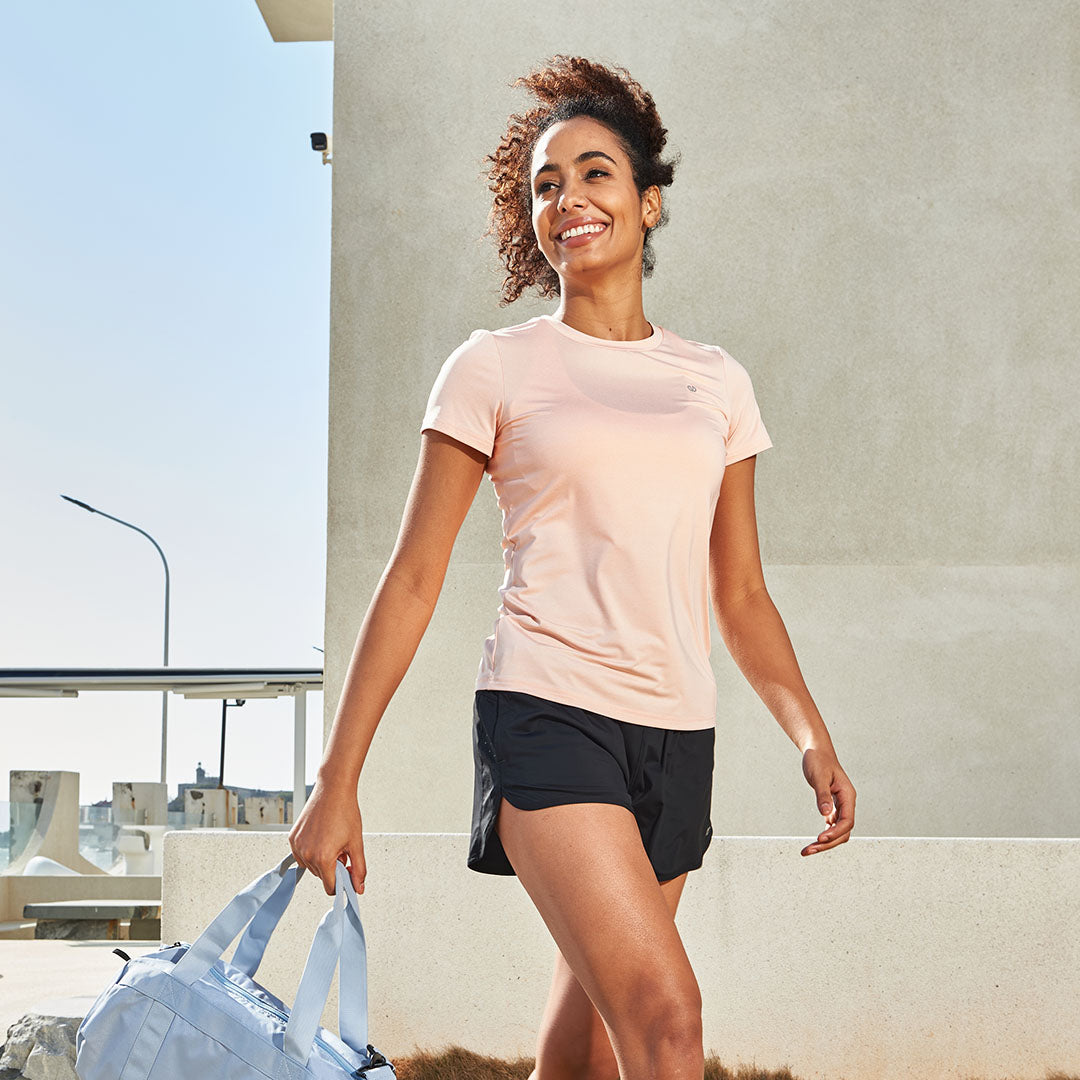
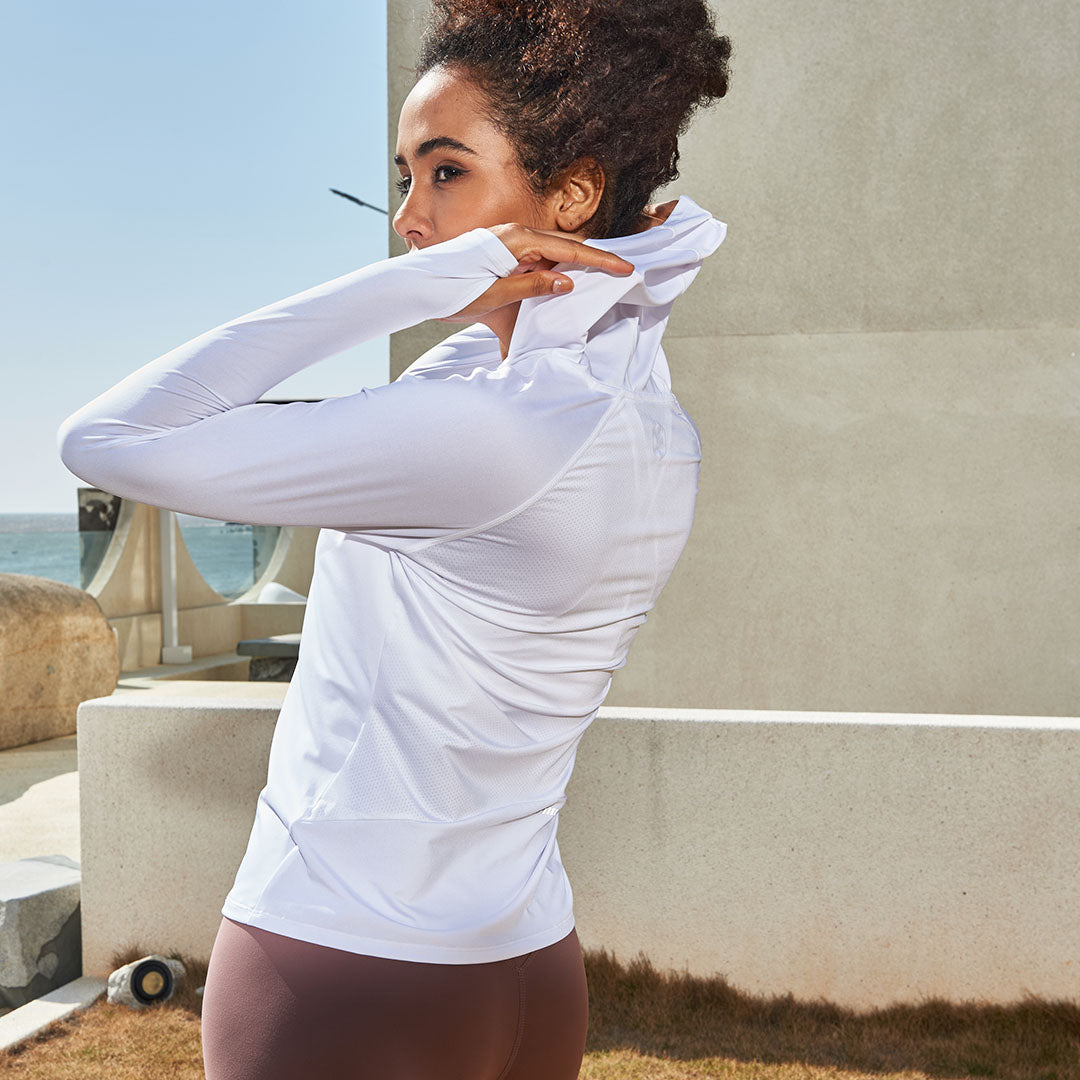
No matter which practice you choose, what you wear can make a difference. A pair of breathable yoga shorts will keep you cool and flexible during intense core work, while a lightweight yoga hoodie is perfect for staying warm during meditation or cooldown stretches. Comfort and mobility are key — just like your workout.