



What Are the 8 Rules of Yoga?
Yoga is not just a physical exercise; it is a holistic practice that nurtures both the mind and the body. The eight rules or "limbs" of yoga, as outlined by the sage Patanjali in his ancient text, the Yoga Sutras, provide a roadmap for living a balanced and mindful life. These principles guide practitioners to connect deeply with their inner selves and live in harmony with the world around them.
1. Yama (Ethical Disciplines)
Yama is the first limb and focuses on the ethical guidelines that shape our relationship with others. These include non-violence (Ahimsa), truthfulness (Satya), non-stealing (Asteya), non-possessiveness (Aparigraha), and celibacy or moderation in sexual conduct (Brahmacharya). Practicing these values creates a foundation of respect and kindness in our interactions with the world.
2. Niyama (Personal Observances)
Niyama refers to the personal habits and practices that help us cultivate a positive relationship with ourselves. This includes cleanliness (Shaucha), contentment (Santosha), discipline (Tapas), self-study (Svadhyaya), and surrender to a higher power (Ishvara Pranidhana). These practices encourage self-awareness and personal growth.

3. Asana (Physical Postures)
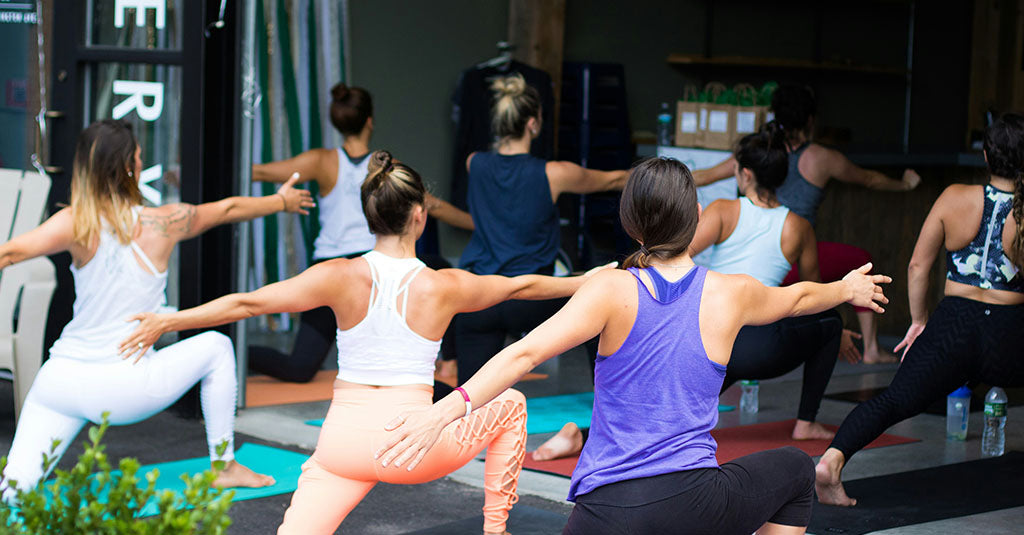
Asana is the physical aspect of yoga, which we most commonly associate with the practice. It includes the various poses and postures that help to strengthen the body, improve flexibility, and maintain overall physical health. The purpose of asanas is not just to look good but to prepare the body for long periods of meditation by promoting health and well-being.
4. Pranayama (Breath Control)
Pranayama involves breath control techniques that help regulate the life force or energy within the body. By controlling the breath, we can calm the mind, reduce stress, and increase vitality. It is believed that proper breath work can also improve focus, mental clarity, and emotional balance.
5. Pratyahara (Withdrawal of the Senses)
Pratyahara is the practice of turning inward and detaching from external distractions. It encourages us to withdraw our senses from the external world, which allows us to access our inner state of being. This practice helps us to focus our attention and experience peace in the present moment.
6. Dharana (Concentration)
Dharana is the practice of concentration, where the mind focuses on a single point of attention, such as a mantra, an image, or the breath. This focused state of mind sharpens our awareness and allows us to cultivate a sense of clarity and mindfulness in all areas of life.
7. Dhyana (Meditation)
Dhyana is the practice of meditation, where the mind becomes still and deeply absorbed in the object of concentration. Through meditation, we can experience true peace, connecting with our inner selves and transcending mental distractions. It is the ultimate practice for cultivating mental tranquility and insight.
8. Samadhi (Enlightenment or Bliss)
Samadhi is the final stage of yoga, where the practitioner experiences a state of pure consciousness and unity with the universe. It is a profound state of bliss and enlightenment, where the individual self merges with the universal consciousness. Samadhi is considered the ultimate goal of yoga, where one experiences deep inner peace and a sense of oneness.
Embrace Yoga with the Right Gear
To fully immerse yourself in your yoga practice, it's essential to have comfortable, flexible, and supportive gear. Investing in high-quality women's sportswear can enhance your practice, ensuring that you feel comfortable and confident in every pose. Choose clothing that moves with you, allowing you to focus entirely on your body and mind as you work toward mastering the eight limbs of yoga.
-
Posted in
yogalife